
The Profession
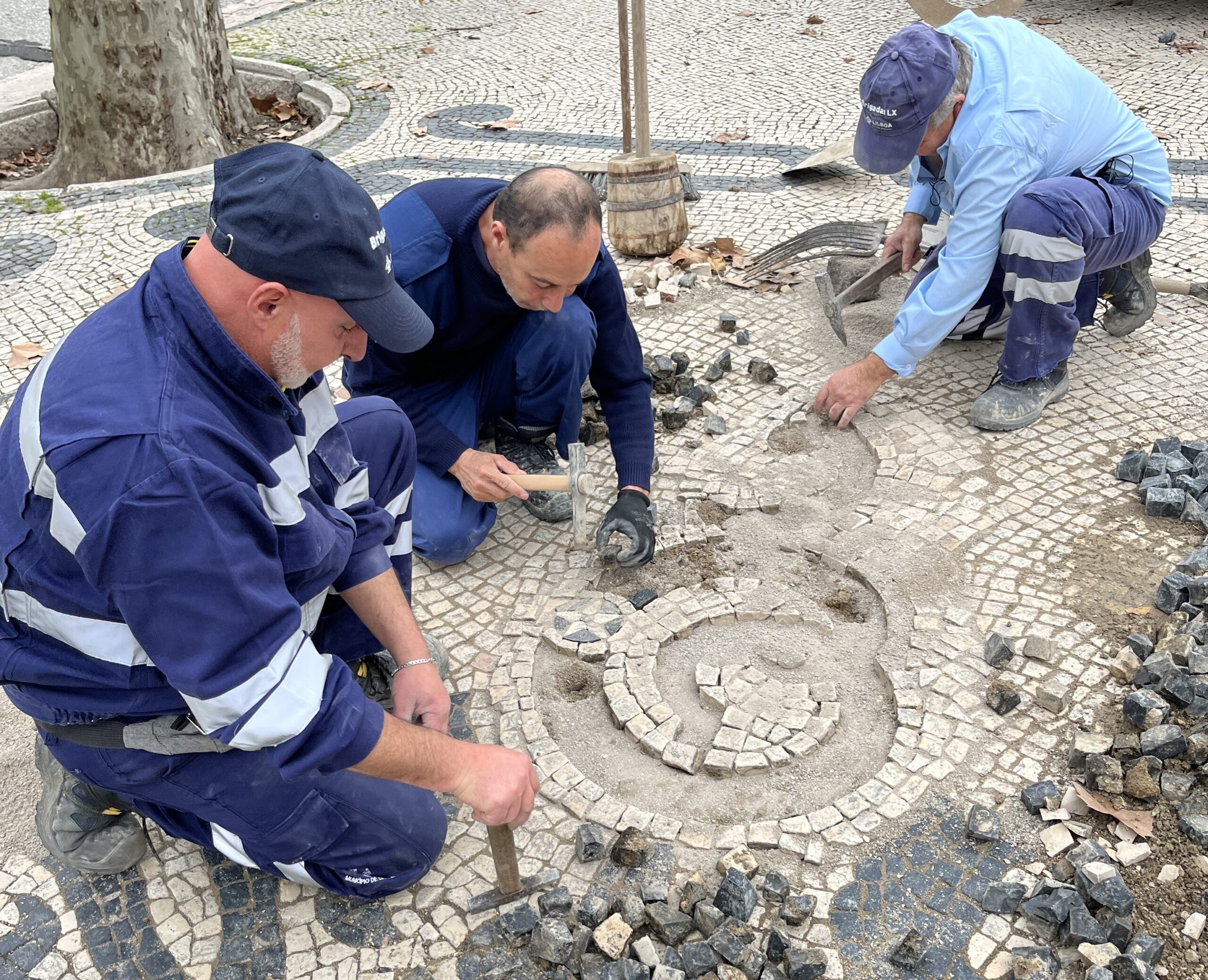
The practitioners are cobblestone pavers, mostly men, with only a few women, coming from different regions. They are chiefly responsible for the creation, maintenance, and transmission of Portuguese cobblestone pavement, a traditional craft now in decline. Predominantly male and from various parts of the country, they move according to job opportunities. The number of professionals has decreased drastically: Lisbon, for instance, which had 400 pavers in 1927, now counts little more than a dozen, all of them elderly.
In the past, there was a specialised hierarchy (masters, pavers of the 1st to 3rd rank, and labourers), now practically extinct, although the masters still enjoy some informal recognition. Formerly, for many Portuguese pavement workers this craft was a seasonal occupation alternating with agricultural work, a practice that still continues for a few today.
Several of the more skilled professionals have moved into private enterprise. Through their initiative, they began undertaking paving work independently, creating small sole-trader or family-run businesses that carry out Portuguese cobblestone pavement, either simple or patterned, and which continue to survive thanks to commissions carried out both in the country and abroad.
Most face harsh working conditions, low pay, and a lack of professional recognition.
All of them depend on the work of the extractors and processors of limestone in the quarries, where the organisation of labour also involves levels of specialisation, with a division of tasks according to the different roles to be performed.