
Safeguarding measures

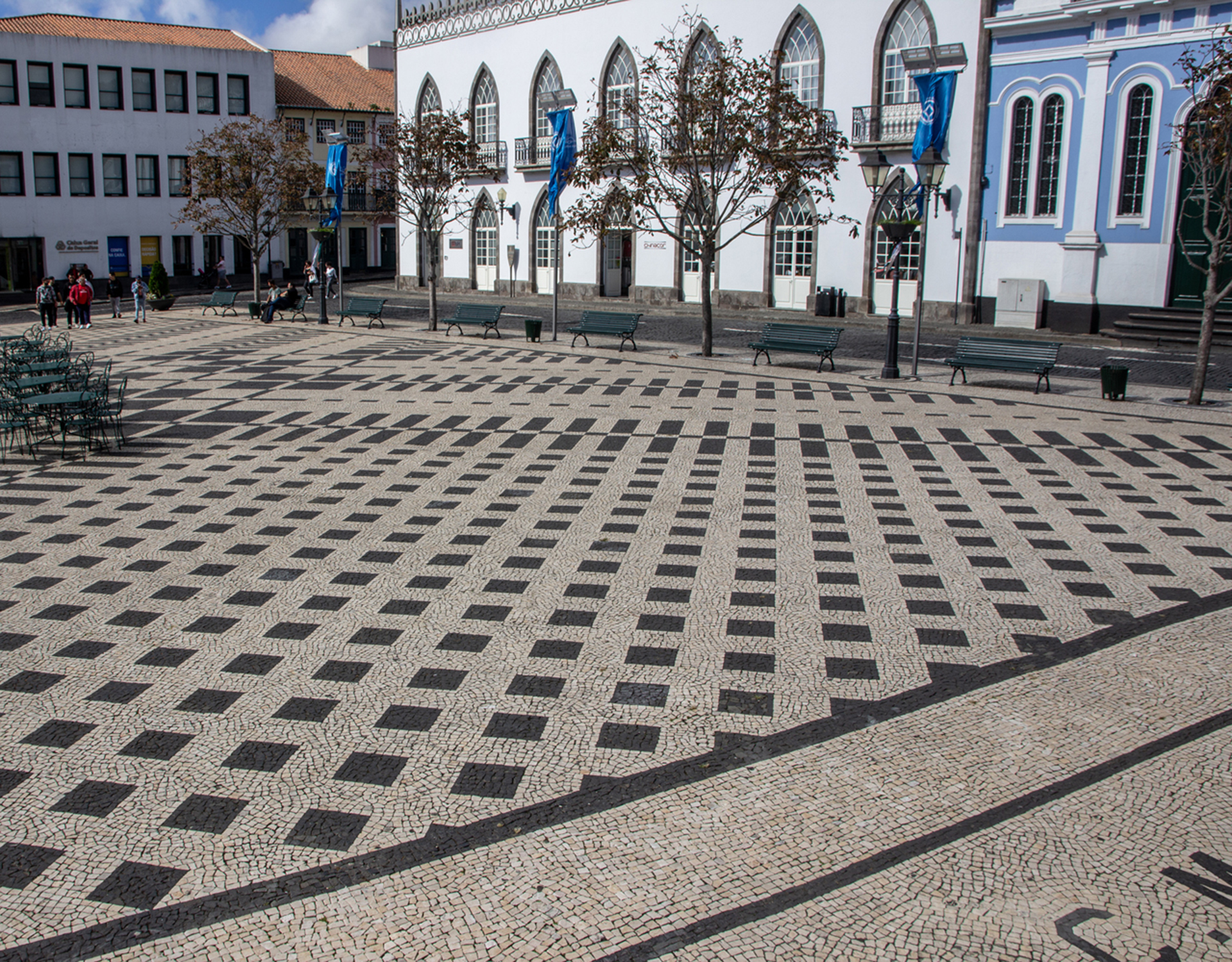

Most of the safeguarding measures aimed at attracting apprentices, addressing the shortage of masters, and preventing the decline of this art have been planned, are being developed, and are or will be implemented with the pavers, some of which originated from their own initiative, particularly through members of the associated pavers’ group. Other entities have also participated in the design and/or implementation of the following measures:
- Development of associations within the pavers’ community;
- Inventorying, recording, processing, and enhancing the collection of pavement templates in municipal services;
- Photographic survey, identification, and characterisation across the national territory (mainland and islands) and internationally;
- Introduction of educational and promotional modules in schools to attract young pavers;
- Various training activities (approximately 300 students at the Lisbon School since 1986);
- Pavement courses aimed at immigrants;
- Initiatives for the legal protection of tangible heritage, including the heritage listing of examples of Portuguese artistic pavement of exceptional value, at national and/or municipal level;
- Awareness-raising (meetings/correspondence) to enhance the value of the paver profession, through the creation of benefits associated with arduous and unhealthy work; recognition of the profession as subject to rapid wear; and the promotion of a special career path for pavers directed at local and national authorities and parliamentary parties. These professional, educational, and informational actions may contribute to the economic and professional sustainability of pavers in the medium to long term;
- Preparation of a professional reference and training programme for artistic pavers;
- Implementation of improved working conditions by the authorities;
- Definition of specific technical conditions for each artistic pavement intervention, with the creation of a best practices manual;
- Promotion of research related to conservation;
- Creation and implementation of a Portuguese Cobblestone Pavement interpretation and documentation centre;
- Raising awareness among all public and private entities, both local and regional, operating in the field of pavement, as well as the general public, about the preservation of Portuguese pavement and the professional recognition of its practitioners;
- Promotion of publications (for example, local and global guides, or more specific studies such as identification of symmetries and mathematical patterns), social media, conferences (local, national, and international), and exhibitions (with the presence and participation of pavers);
- Increased use of artistic pavement in new public space projects;
- Definition of specific standards for interventions across all Portuguese artistic pavement;
- Specific courses for immigrants to learn the craft;
- Promotion of a national network for paver training and enhancement of pavement schools, in coordination with the promotion of traditional knowledge transmission, particularly to attract young pavers;
- Qualification and enhancement of pavers and pavement companies, through the creation of regulations regarding authorisation/licensing conditions for companies operating in the field of artistic pavement;
- Annual competition to award the best pavers, with distinctions across various categories;
- Promotion of a programme aimed at visual artists to encourage the creation of new designs for pavements.